The Quiet Individualism
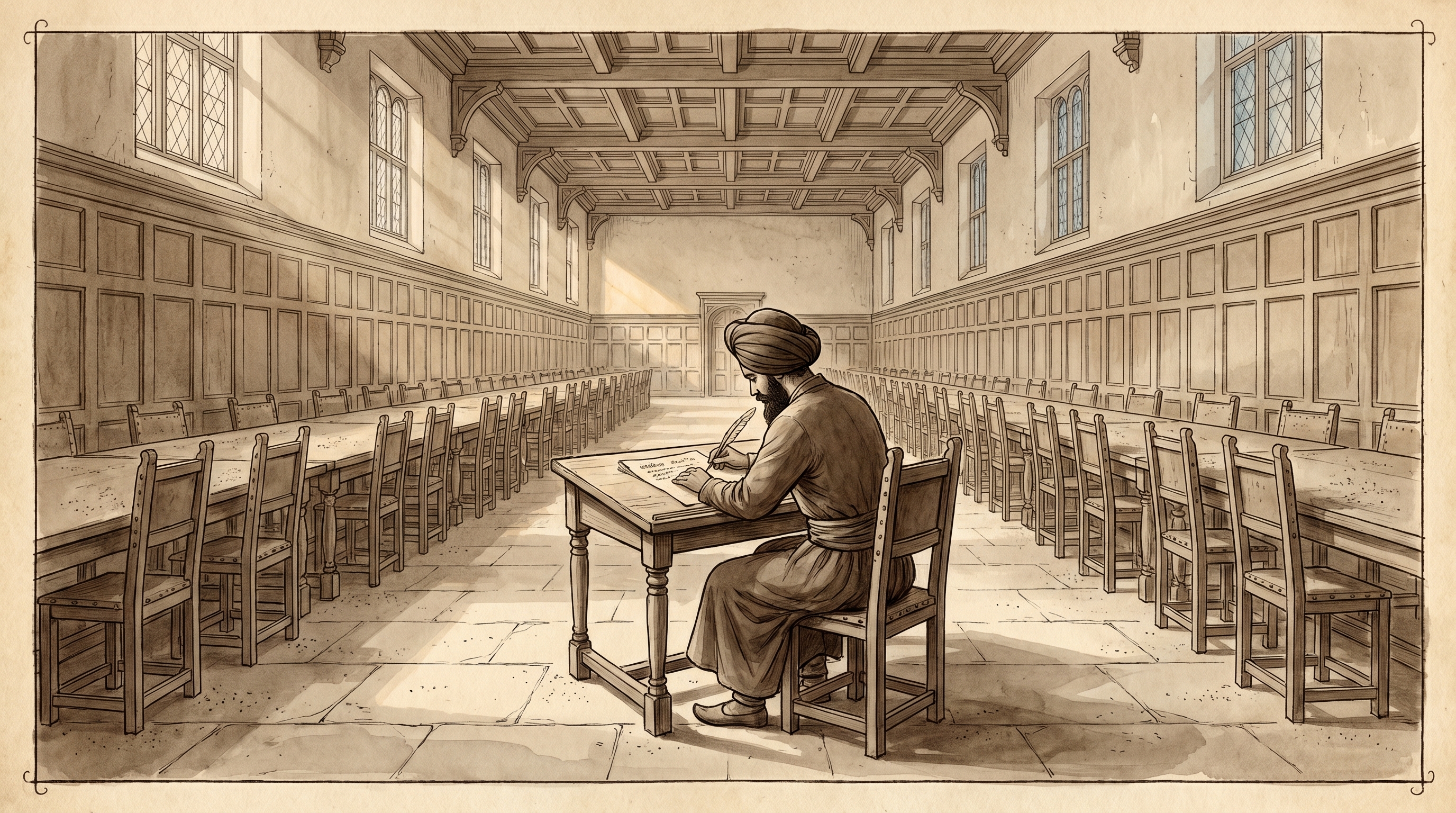
A few weeks ago I was researching a thick-client app that uses browser-based components for parts of its UI. I needed to understand how the rendering pipeline works - you know source to sink and stuff.. I had a very limited knowledge of browsers internals. A few years ago I would have read a couple of public posts, then DM’d a few people/researchers I know with specific questions about this and hoped someone would reply. Hung around in IRC channels (Yes, I’m old), hacker forums, and a Discord server or two long enough to feel like I belonged before asking anything. This time I just asked Claude. Got there faster, with cleaner answers and better follow-up questions.
What didn’t happen is harder to notice. I didn’t send the awkward DM. I didn’t idle in a discord channel or a forum waiting for the right person to be around. I didn’t stumble into someone who would later become a peer. The friction was gone - and so were the side effects of friction.
I’m pro-AI. I use it constantly, deliberately, with no nostalgia for the way things used to be. So this isn’t a complaint, and it isn’t a warning. It’s an observation about where we’re heading - and one that comes with a quiet admission: where we’re heading works in my favor in ways it might not work in yours.
I think we’re heading toward a particular kind of individualism. Not the political kind. Not “leave me alone” libertarianism. Something quieter. A mix of three things: self-sufficiency, atomization, and a slow erosion of the social side of technical work.
Self-sufficiency
Self-sufficiency is the easiest to see. Around the same time I was doing the rendering research, I built a custom theme for this blog using Claude Design instead of using an existing. I had a long back-and-forth with Claude about a medical topic I would have brought up with friends over coffee. Same questions, faster answers, fewer dead ends. Nothing dramatic on its own. But add it up and a workflow that used to take a team, or a network you’d have to build, now fits inside an evening with one person and a laptop.
Atomization
Atomization is sneakier. It looks like introversion winning, but is something else. The niche conversations I used to chase - the kind where you had to network with strangers just to find someone interested - now happen with AI. Better, often. Faster, with less waiting. The people I used to look for are still out there. I just don’t go looking for them anymore.
What got eroded is the friendships that used to form just because you needed someone to explain a thing. The IRC channel you joined to ask one question and stuck around in. The senior hacker whose DM you slid into about an exploit, and ten years later was still in your contacts. The mailing list. The forum thread. The Discord server. None of those were the goal - the friendship was a side effect. AI handles the goal now, and the side effect just stops happening.
I want to be careful here, because it’s easy to romanticise what was. For most people those friendships were never accessible anyway. Niche experts were always rare. Most juniors entering security never found a senior who would actually mentor them. Most forums and IRC channels were hostile or dead. AI didn’t kill any thriving culture - it just made not having one stop hurting.
Mentorship
Where it really changes is mentorship. I think mentorship in some forms is finished. Most of what people called mentorship was actually two things: technical stuff (how do I debug this, how do I structure this, what’s the right tool), and workplace stuff (how do I write this email, how do I read this room, when do I push back on my manager). Both of those are getting absorbed by AI, fast. AI is already a better technical mentor for most day-to-day questions than most senior security researchers/analysts/engineers were on most days. AI is going to be a better corporate-navigation coach than the colleague who used to tell you what your VP actually meant. Those are not losses - they’re upgrades.
What’s not clean is the third thing mentorship sometimes did. Not the technical part. Not the office politics. The part where you were figuring out how to make decisions, what to take seriously, what kind of professional you wanted to be. The part that came out sideways in conversations that weren’t really about anything in particular. I don’t know if AI replaces that. I don’t think it does. And I think most of the next generation will simply not look for it - not because AI is filling the slot, but because they won’t know they were supposed to want it in the first place.
That’s the part I keep coming back to. The cost isn’t a bad replacement. The cost is that you don’t know what you’re missing - you can’t miss something you never had. A 22-year-old entering security in 2030 is going to be more technically capable than I was at the same age. They’ll handle corporate stuff better. But they probably won’t have the lunch chats, the long coffees, the office gossip, the colleagues whose bad days you watched up close and whose wins felt like your own. Some of that will be gone entirely. Some of it will exist somewhere but feel as foreign to them as a typewriter feels to me. There won’t be any shape of it left to recognise as missing.
My place in this
With all honesty, I’m an introvert on the path toward independence: fewer meetings, fewer obligations to socialise, more time alone with my own work, selective people and lots of nature. What I just described - the world where AI handles the technical and corporate layers and the human side quietly disappears - is good for me. It removes friction from the parts of work I find draining. It rewards how I’m already wired. I’m not standing outside this trend. I’m one of the people it works for.
For other people the trade is different. Someone who’s energised by colleagues, who does their best thinking in conversation, who learns by being around other people doing their work - that person is going to lose something they can’t easily replace. They may not even feel it as a loss, because the world will just stop offering it. The cost is real, but it lands unevenly. AI-driven individualism is good for some personality types and life paths, costly for others, and the costs are quietest exactly where they hurt the most.
Where we’re heading
That’s where I think we’re heading. Not better, not worse - just particular. A future where friendships don’t form around shared problems because the problems get solved alone. Where mentorship continues, but mostly between a person and a model. Where the things you don’t notice losing might be the things that mattered most about doing the work with other humans in the first place.
I’m not mourning it. I’m noting it.
And I’m noting that I’m one of the people for whom the trade is good - which makes me an unreliable narrator, and which is exactly why I wanted to write this down.